Forgotten Coves of Southern Menorca
Beyond the package resort clusters lies an island crisscrossed by dry-stone walls and silent limestone calas.
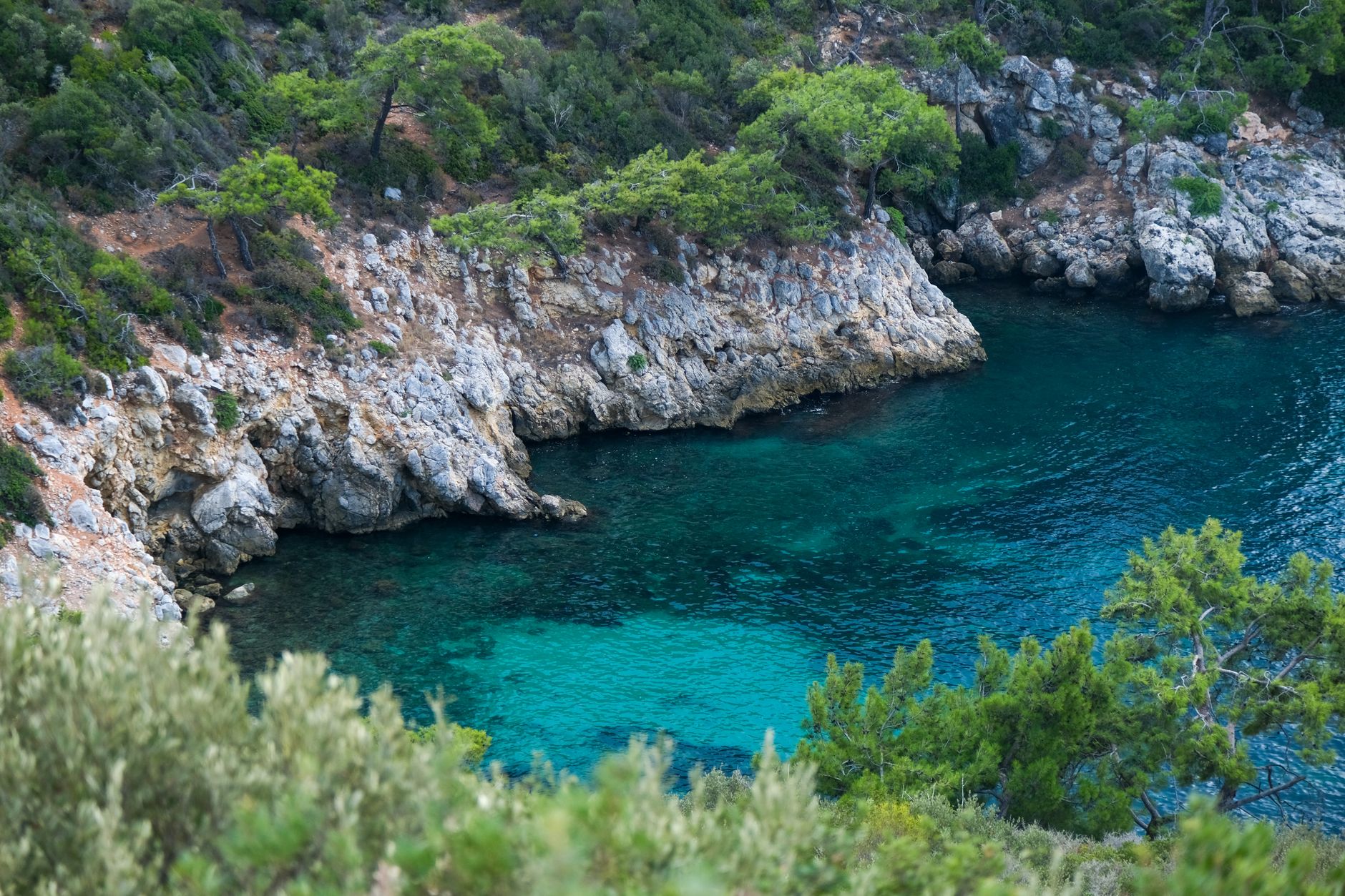
When the 14th-century knights first mapped the perimeter of Menorca, their objective was coastal defense against seafaring raiders. Today, the Camí de Cavalls (GR 223) forms a 185-kilometer circumnavigation that serves an entirely different purpose: protecting the island’s fragile ecosystem from runaway urban sprawl.
1. The Medieval Bridleways
Walking the southern stretch from Cala Mitjana to Es Talaier requires steady feet and an acceptance of isolation. No asphalt roads penetrate these pine-forested ravines. One navigates wooden gate barriers fashioned from wild olive wood—known locally as barreres d’ullastre—which farmers have used for four centuries to pasture sheep.
2. Calas in Silence
Arriving at Cala Macarelleta on a late November afternoon is a revelatory contrast to summer drone footage. With the yachts departed and the kiosks boarded up, the water reveals a glacial clarity. Sunlight refracts through twenty feet of undisturbed brine, casting dancing net-like patterns across powdery white sand.
"The Mediterranean does not need our admiration; it requires our restraint. Those who walk in quietly discover its true countenance."
3. Stone, Pine and Salt
The southern geology is dominated by porous white limestone (marès). It absorbs the midday heat and exhales it into the evening air, scenting the trails with pine resin and sea salt. To travel here is to understand the luxury of silence in an overcrowded world.
Plan Your Balearic Slow Journey
Inquire with 111111 for seasonal trail logistics, coastal permit advice, and traditional fincas.
Speak with an Editor